
Emerging Trends in Robotics and Their Applications in Society

Robotics is rapidly evolving, transforming industries and enhancing everyday life. As technology advances, the integration of robotics into various sectors is becoming increasingly prevalent. This article explores the emerging trends in robotics and their significant applications in society, highlighting how these innovations are reshaping our world.
Advancements in Industrial Robotics
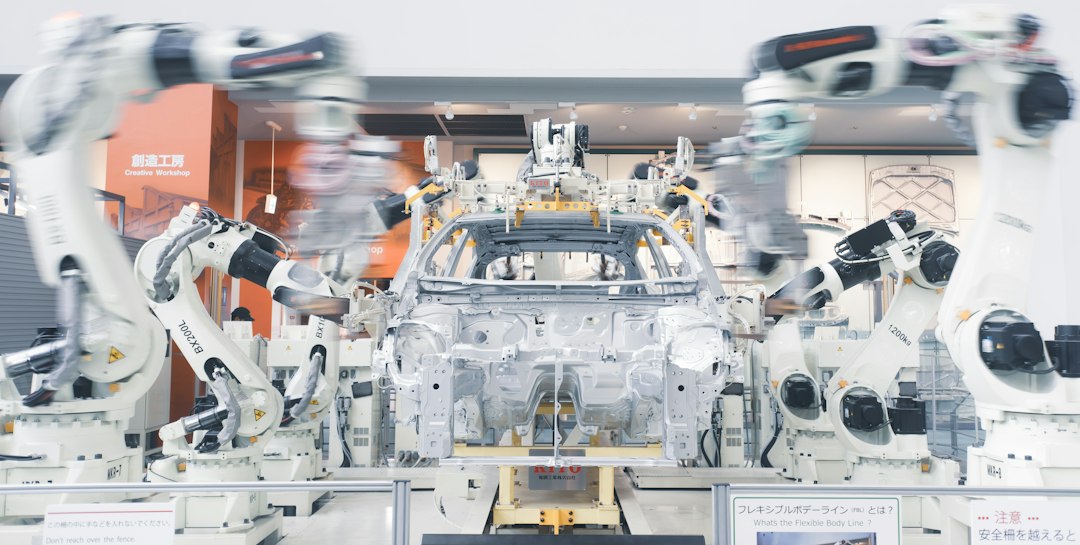
Industrial robotics has seen remarkable advancements, particularly in manufacturing and assembly lines. Companies are adopting robotic systems to improve efficiency and reduce operational costs. For instance, a manufacturing plant in Detroit implemented robotic arms for assembly tasks, resulting in a 30% increase in production speed while minimizing human error.
These robots are designed to work alongside human workers, enhancing productivity without replacing jobs. By taking over repetitive and hazardous tasks, industrial robots allow employees to focus on more complex and creative aspects of their work, fostering a safer and more innovative workplace.
Robotics in Healthcare
The healthcare sector is experiencing a revolution thanks to robotics, with applications ranging from surgical assistance to patient care. Surgical robots enable surgeons to perform minimally invasive procedures with precision, leading to quicker recovery times for patients. A hospital in San Francisco reported a 25% reduction in surgery-related complications after integrating robotic systems into their operating rooms.
Moreover, robotic exoskeletons are being used to assist patients with mobility impairments, allowing them to regain independence. These innovations not only improve patient outcomes but also enhance the overall quality of care, demonstrating the profound impact of robotics in healthcare.
Robotics in Agriculture
In agriculture, robotics is transforming traditional farming practices, making them more efficient and sustainable. Autonomous tractors and drones are being utilized for tasks such as planting, monitoring crop health, and harvesting. A farm in Iowa adopted drone technology to survey their fields, resulting in a 20% increase in crop yield due to better resource management.
These advancements help farmers optimize their operations, reduce waste, and respond to environmental challenges more effectively. As the global population continues to grow, the role of robotics in agriculture will be crucial in ensuring food security and sustainability.
Robotics in Everyday Life
Robotics is also making its way into our daily lives, with applications in home automation and personal assistance. Smart home devices, such as robotic vacuum cleaners and lawn mowers, are becoming commonplace, providing convenience and efficiency. A family in Seattle reported saving an average of 10 hours a month on household chores after integrating robotic devices into their home.
Furthermore, personal assistant robots are being developed to help the elderly and individuals with disabilities. These robots can assist with daily tasks, provide companionship, and even monitor health conditions, significantly improving the quality of life for many individuals.
The Future of Robotics
The future of robotics holds immense potential, with ongoing research and development paving the way for even more innovative applications. As artificial intelligence continues to advance, robots will become smarter and more capable of performing complex tasks. This evolution will lead to increased collaboration between humans and robots, creating new opportunities across various sectors.
Moreover, ethical considerations and regulations will play a crucial role in shaping the future of robotics. Ensuring that these technologies are developed and implemented responsibly will be essential in maximizing their benefits while minimizing potential risks. The journey of robotics is just beginning, and its impact on society will only grow in the coming years.